
- February 2, 2024
- Posted by: Firstgrade Writer
- Category: Industrial Chemicals
The chemical manufacturing industry is undergoing a paradigm shift in 2024, prioritizing sustainability and responsible practices. In this exploration, we delve into the forefront of chemical manufacturing, unveiling the practices that are steering the industry towards a future marked by eco-friendly processes and innovative solutions.
Green Chemistry Revolution
Chemical manufacturing is embracing a green chemistry revolution, emphasizing the design and implementation of processes that minimize environmental impact. From reducing waste to using safer chemicals, the industry is reshaping practices to align with eco-friendly principles.
Sustainable Sourcing and Supply Chain Transparency
A key focus in 2024 is on sustainable sourcing and transparent supply chains. Chemical manufacturers are adopting practices that trace the origin of raw materials, ensuring ethical sourcing and reducing the environmental footprint throughout the supply chain.
Circular Economy Initiatives
Circular economy principles are gaining traction, with chemical manufacturing leading the way in creating closed-loop systems. Recycling and repurposing by-products, reducing waste, and designing products with end-of-life considerations contribute to a more sustainable and circular approach to manufacturing.
Energy-Efficient Processes
The industry is investing heavily in energy-efficient processes to minimize its carbon footprint. From optimizing manufacturing equipment to utilizing renewable energy sources, chemical manufacturers are pioneering initiatives that enhance energy efficiency and reduce greenhouse gas emissions.
Safer Chemical Formulations
The safety of chemicals used in manufacturing processes is a top priority. In 2024, there’s a notable shift towards developing safer formulations, minimizing the environmental and health risks associated with chemical manufacturing. This commitment extends to the entire lifecycle of products.
Digitalization and Smart Manufacturing
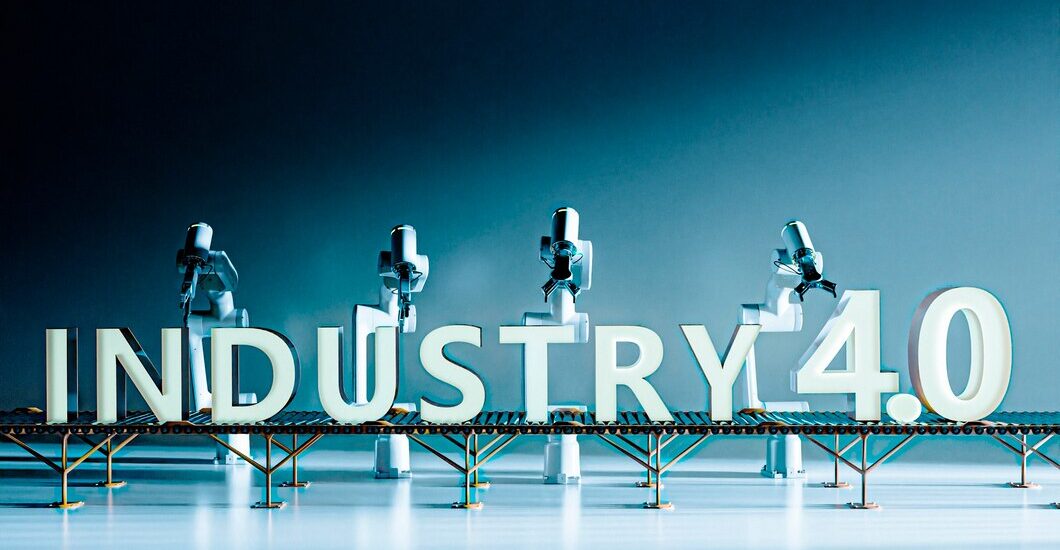
Digital technologies are transforming chemical manufacturing through smart and connected processes. Real-time monitoring, predictive maintenance, and data analytics optimize production efficiency, reduce resource consumption, and contribute to the overall sustainability of manufacturing operations.
Collaboration for Innovation
Collaboration is key to driving innovation in sustainable practices. Chemical manufacturers are forming partnerships with research institutions, governments, and other industries to share knowledge, leverage expertise, and collectively advance sustainable solutions.
Water Conservation and Treatment
Chemical manufacturing is increasingly recognizing the importance of water conservation and responsible water treatment. Implementing advanced water purification technologies, recycling processes, and adopting closed-loop water systems are becoming standard practices, significantly reducing water usage and minimizing environmental impact.
Eco-Friendly Packaging Innovations
Beyond the manufacturing process, there is a heightened focus on eco-friendly packaging solutions. Chemical manufacturers are exploring biodegradable materials, minimalistic packaging designs, and alternatives that reduce plastic waste, contributing to a more sustainable end-to-end product lifecycle.
Employee Well-being and Safety
Sustainable practices extend to the well-being and safety of the workforce. Chemical manufacturers are prioritizing occupational health and safety measures, investing in training programs, and adopting technologies that enhance workplace safety, ensuring a responsible and caring approach to their most valuable asset – their employees.
Charting a Sustainable Course for Chemical Manufacturing
As we step into 2024, the chemical manufacturing industry is at the forefront of sustainable practices, actively shaping a future that balances economic viability with environmental responsibility. From green chemistry to circular economy initiatives, these practices not only redefine manufacturing processes but also pave the way for a more sustainable and resilient industry.
FAQS
Why is sustainable sourcing important in chemical manufacturing?
Sustainable sourcing in chemical manufacturing is crucial to ensure ethical procurement of raw materials, reduce environmental impact, and promote transparency throughout the supply chain. It contributes to responsible industry practices and aligns with the global push for sustainable and ethical business operations.
How does the implementation of the circular economy benefit chemical manufacturing?
Circular economy initiatives in chemical manufacturing minimize waste by recycling and repurposing materials. This not only reduces the environmental footprint but also creates closed-loop systems, promoting resource efficiency and sustainable production practices.
How are digitalization and smart manufacturing being integrated into chemical manufacturing processes?
Digitalization and smart manufacturing in chemical processes involve the use of technologies like real-time monitoring, predictive maintenance, and data analytics. These innovations optimize production efficiency, reduce resource consumption, and contribute to overall sustainability by minimizing waste and enhancing operational precision.
What role does collaboration play in driving sustainable practices in chemical manufacturing?
Collaboration is essential for sharing knowledge, leveraging expertise, and collectively advancing sustainable solutions. Chemical manufacturers collaborate with research institutions, governments, and other industries to foster innovation, address challenges, and collectively contribute to the development of sustainable practices.
How does chemical manufacturing contribute to water conservation and treatment?
Chemical manufacturing focuses on water conservation by implementing advanced water purification technologies, recycling processes, and closed-loop water systems. These practices reduce water usage, minimize environmental impact, and highlight the industry’s commitment to responsible water management.
You May Find This Useful: