
- June 23, 2023
- Posted by: Firstgrade Writer
- Category: Industrial Chemicals
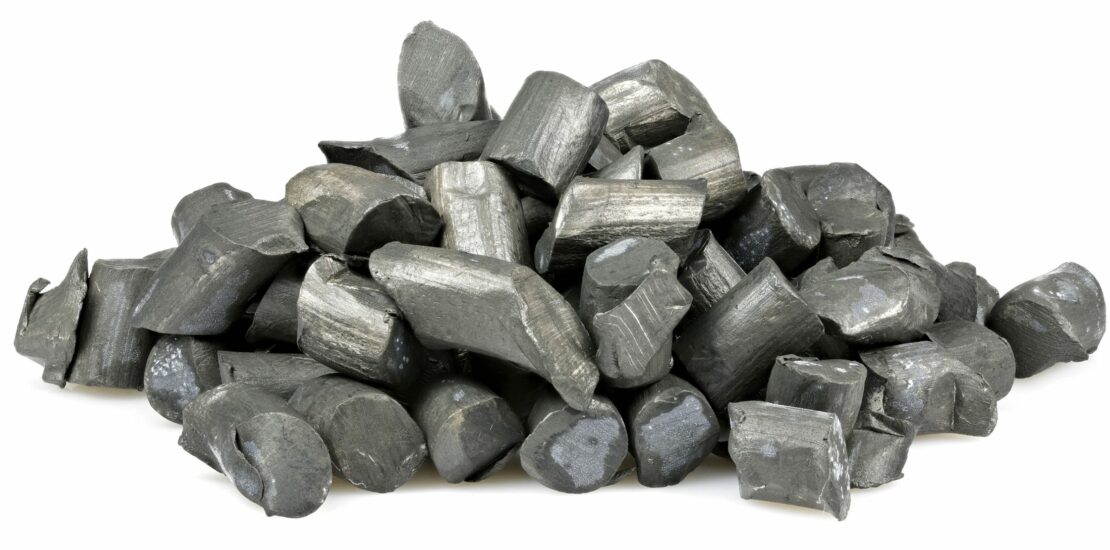
Lithium carbonate, a key component in the production of lithium-ion batteries, is gaining significant attention worldwide due to its versatile applications in various industries. Zimbabwe, known for its vast lithium reserves, has the potential to leverage this valuable resource for economic growth and sustainable development. In this article, we will delve into the uses and benefits of lithium carbonate and discuss how Zimbabwe can harness its potential to drive advancements in renewable energy, technology, and industrial sectors.
Lithium Carbonate Applications
Renewable Energy: Lithium-ion batteries power electric vehicles (EVs) and store energy from renewable sources such as solar and wind. Zimbabwe can develop battery manufacturing facilities and become a regional hub for clean energy solutions.
Technology and Electronics: Lithium is essential for portable electronic devices like smartphones, laptops, and tablets. Zimbabwe can explore partnerships and investments to foster local electronics manufacturing, creating job opportunities and promoting technological innovation.
Medical and Pharmaceutical: Lithium is used in psychiatric medications to treat bipolar disorder and depression. Zimbabwe can enhance its pharmaceutical industry by producing lithium-based medications and promoting mental health research and treatment.
Ceramics and Glass: Lithium is employed in the production of heat-resistant ceramics and glass products. Zimbabwe can establish a thriving ceramics industry, capitalizing on its rich lithium deposits and skilled craftsmanship.
Economic Benefits for Zimbabwe
Job Creation: Developing lithium carbonate infrastructure, such as mining, processing plants, and battery manufacturing facilities, will generate employment opportunities across various sectors, boosting economic growth and reducing unemployment rates.
Export Revenue: With the global demand for lithium-ion batteries on the rise, Zimbabwe can tap into international markets and export lithium , earning valuable foreign exchange and stimulating economic growth.
Technology Transfer and Knowledge Exchange: Collaborations with international partners in lithium carbonate production can facilitate technology transfer, knowledge exchange, and skills development, empowering local professionals and enhancing Zimbabwe’s industrial capabilities.
Sustainable Development: Utilizing lithium for renewable energy solutions aligns with Zimbabwe’s commitment to sustainable development, reducing reliance on fossil fuels and mitigating environmental impacts.
Infrastructure and Policy Considerations
Infrastructure Development: Investing in efficient mining operations, processing plants, and transportation infrastructure will facilitate the extraction, refinement, and distribution of lithium carbonate within and outside Zimbabwe.
Research and Development: Establishing research institutes and academic collaborations will foster innovation, exploration of lithium-based technologies, and the development of value-added products.
Regulatory Framework: Implementing transparent and investor-friendly regulations and policies will attract foreign direct investment, enhance investor confidence, and ensure responsible and sustainable lithium carbonate extraction and utilization.
Local Community Engagement: Inclusive development strategies should prioritize community engagement. This is providing training and employment opportunities for local residents and addressing environmental and social concerns associated with lithium extraction.
Conclusion
Lithium presents a significant opportunity for Zimbabwe’s economic growth and sustainable development. By leveraging its abundant lithium reserves and policy frameworks, Zimbabwe can tap into the global demand for lithium-ion batteries. This is to promote clean energy solutions, foster technological innovation, and create job opportunities. By harnessing the potential of lithium carbonate, Zimbabwe can position itself as a regional leader in renewable energy. Also in technology, and industrial sectors, paving the way for a prosperous and sustainable future.
FAQs
Is lithium carbonate mining environmentally sustainable?
Responsible mining practices and environmental safeguards can mitigate potential impacts. Implementing strict regulations and reclamation plans can ensure sustainable extraction and minimize environmental disruption.
How can Zimbabwe attract foreign investment in lithium carbonate production?
Zimbabwe can offer attractive investment incentives, streamline administrative processes, and provide a stable political and economic environment. This is to attract foreign investors in the lithium carbonate sector.
What are the challenges in lithium carbonate production?
Challenges may include the initial infrastructure investments, technological advancements, and market fluctuations. However, proper planning, strategic partnerships, and continuous research and development can overcome these challenges.
Can lithium carbonate production contribute to rural development in Zimbabwe?
Yes, it has the potential to create economic opportunities in rural areas through job creation, infrastructure development, and community engagement programs associated with lithium mining and processing activities.
Are there any health and safety concerns related to lithium carbonate?
Proper safety protocols and occupational health standards must be implemented to protect workers in lithium carbonate production facilities. Adhering to international standards and conducting regular health and safety assessments are crucial.
You will Find This Useful: